
Why Orthodontics Matters
Orthodontics is the field of dentistry that focuses on the alignment and positioning of your teeth and jaws, including the way that your teeth meet and the way your teeth and jaws develop.
Orthodontic treatment is typically centred on appliances designed to gently and effectively move the teeth and jaws into their proper alignment. These devices may be in the form of traditional bracket and wire braces, aligners, and appliances like retainers that allow you to keep your new alignment and prevent the teeth from moving back.
Do I Need to Fix My Crooked Teeth?
In some cases of jaw dysfunction or malocclusion (a poor bite), moving teeth can have many health benefits and relieve painful symptoms. In other instances, improving the appearance of teeth is a priority for the patient. There are very few people who don’t benefit from some form of orthodontic treatment. With modern braces, this can be a substantial benefit, taking place rapidly and comfortably.
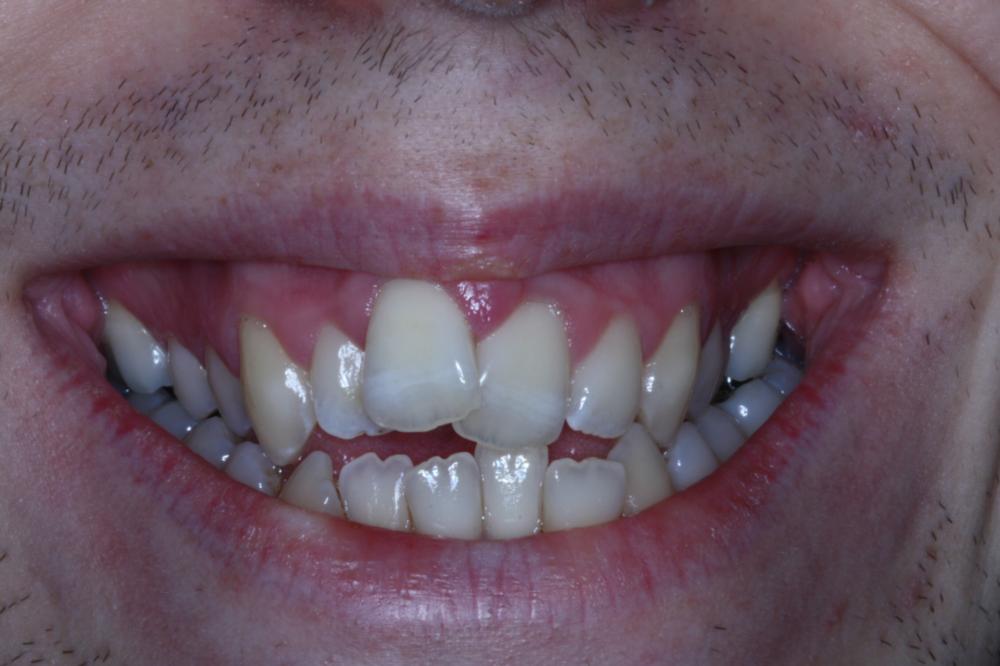
Because Swords Orthodontics is a specialist orthodontic practice, we have the skills, expertise, and equipment to deal with simple and complex orthodontic problems:
- Overcrowding
- Underbite
- Overbite
- Malocclusion
- Protrusion
- Overlapping
We also have valuable working relationships with our local dental colleagues and other specialists, allowing us to put together comprehensive treatment plans to get the best outcomes for our patients. These could include working constructively with people to provide all sorts of connected treatment:
- Oral hygiene advice and maintenance
- Implants, crowns, bridges
- Gum treatments
- Root canal treatments
- Dentures
- Minor mouth surgery for things like buried teeth or tooth roots that remain in the jaw
- Major surgery for disorders of the facial skeleton that affect how the teeth meet
Additional Benefits of Orthodontics
You may not realise that crooked teeth are more than just a cosmetic problem. When your teeth are crowded, twisted, or overlapping, proper brushing and flossing become challenging. Your toothbrush and floss won’t easily be able to reach specific areas of your teeth, which can allow plaque (a coating of sticky tooth bacteria) to build up. Over time, the calcium in your saliva enables this plaque to harden into tartar (we call it “calculus”, but it’s the dental equivalent of limescale on the inside of a kettle). When tartar builds up between teeth or beneath the gumline, gum disease is often the result.
Even widely spaced teeth have their own set of problems. If you have widely spaced teeth, you may have noticed that food is easily trapped between your teeth and may stay there until you can brush or floss it out, leading to bad breath or possibly tooth decay.
Bite Alignment
Another dental issue we have to correct with orthodontics is an abnormal relation between the upper and lower jaws. If your teeth aren’t lining up the way they should, there can be extra pressure on teeth, gums, jaw muscles, and ligaments, which in certain cases can contribute to tooth wear or even fractures, gum disease, and disorders of the jaw muscles and jaw joints.

We do advise an orthodontic evaluation for everyone. There’s no fee for your initial consultation, and we’re very gentle, so you have nothing to lose, and even less to be apprehensive about. Even if you haven’t been to a dentist in a long time.
Call Swords Orthodontics today to arrange an evaluation for yourself or your child!
